

Portugal is one of those rare destinations that’s wonderful to visit year round thanks to its temperate weather—as long as you plan properly according to what you want to do in each region.
For example, summer is ideal for beach holidays in the Algarve but brings higher prices and larger crowds, while winter means quieter experiences and off-season discounts in cities like Porto when there are cooler temperatures and more rain.
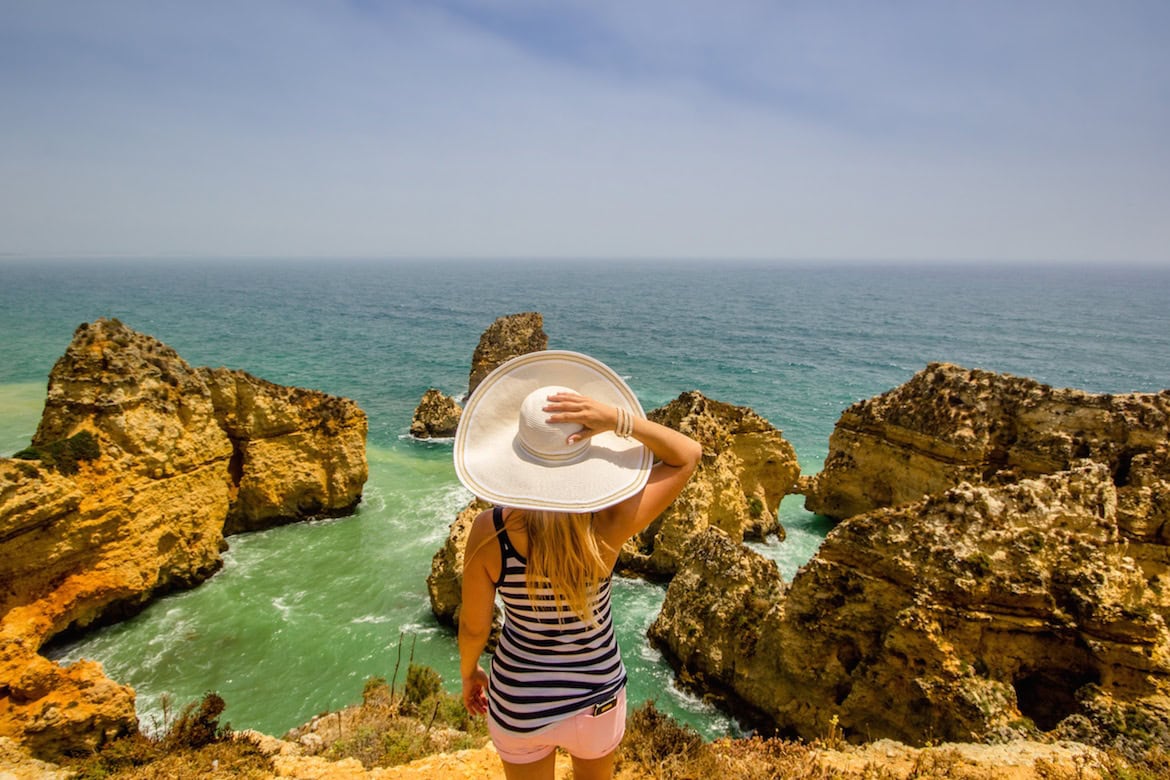
The best time to visit Portugal is generally spring (April to June) and early fall (September to October), when the weather is pleasant, the days are sunny and the summer crowds are less intense. These shoulder-season months are ideal for exploring Lisbon, taking day trips to places like Sintra and Cascais, and golf trips in the southern regions.
Here’s what to expect in Portugal throughout the year.

Quick tips for visiting Portugal
The must-sees: Lisbon for city life, Lagos for beaches, Sintra for amazing photo-ops and views, Douro Valley for wine tasting.
Getting there and around: Airports in Lisbon, Faro (Algarve) and Porto are handy for connecting to/from international destinations. Being a relatively compact country, renting a car can be a great option to get between cities (I recommend and use Discover Cars for great prices), especially in areas like the Algarve. Public transportation is also well set up, and especially helpful for doing day trips from Lisbon thanks to a frequent train network.
Currency: The euro. Credit and debit cards are widely accepted, though carrying small amounts of cash is helpful for rural areas, local markets or small cafes.
Stay connected: Get an eSim so you can use your phone to help navigate the winding streets and transportation systems. I recommend Airolo which is easy to set up, and if you use code TAMARA4142 you’ll get a discount.
Spring in Portugal: March to May
Best for: Sightseeing, walking tours, photography, day trips and exploring Portugal’s cities.
Spring is one of the best times to visit Portugal, particularly if you want to explore cities, historic sites and the countryside without the peak-season crowds. Temperatures gradually warm up, flowers bloom across the landscape and outdoor cafés become lively again.

Lisbon and Porto are great for sightseeing in spring, while the Algarve starts to warm up for coastal walks, scenic drives and relaxing afternoons by the sea. April can still bring showers, and the ocean is generally too cold for comfortable swimming for most visitors, but May often delivers a lovely balance of sunshine and mild temperatures.
Spring is also a good time to visit Sintra, where you can explore palaces and gardens before the busy summer period when throngs of day-trippers descend on the town.

Summer in Portugal: June to August
Best for: Beach holidays, swimming, surfing, festivals and long evenings outdoors.
Summer is Portugal’s busiest travel season, especially along the Algarve coast. Expect hot, sunny weather, long days and plenty of opportunities for swimming, boating and enjoying beachside restaurants.
My first trip to Portugal was in early June, and the weather was perfect for enjoying a mix of exploring cities and relaxing on the beach, without getting extremely hot and humid yet.

July and August tend to be busier and more expensive, especially in popular beach destinations like Lagos. It can be slightly cooler up north in Porto, though heatwaves can affect the entire country. Inland areas can become extremely hot, so plan outdoor sightseeing for the morning or late afternoon.
Globe Guide tip: Book accommodations and popular activities well in advance if you’re travelling during the summer holidays.

Fall in Portugal: September to November
Best for: Warm-weather sightseeing, coastal trips, wine experiences, photography and fewer summer crowds.
September and early October are two of the best months to visit Portugal (or anywhere in Europe, frankly!). Crowds begin to ease as children go back to school, temperatures are enjoyable and the sea is often at its warmest after months of sunshine.
Autumn is an excellent time to combine city sightseeing with a beach stay in the Algarve and take advantage of slightly lower prices.
Lisbon and the Algarve are often good choices for an autumn getaway, while Porto and northern Portugal tend to be cooler and wetter.

In the Douro Valley, fall brings grape harvesting and beautiful vineyard scenery. If wine is part of your trip, this can be a particularly memorable time to visit, especially on a river cruise.
November is quieter and can offer better accommodation prices, but you’ll want to be prepared for cooler weather and rain, especially in the north.

Winter in Portugal: December to February
Best for: City breaks, cultural experiences and lower accommodation prices.
While winter is Portugal’s quietest season, it generally enjoys milder winters than most destinations in Europe and visitors can enjoy seasonal lights and festive Christmas markets in places like Lisbon, Porto and Obidos.
This isn’t the time to try and enjoy a beach holiday–in fact, many seasonal businesses in the Algarve reduce their hours or close entirely. The island of Madeira is worth considering this time of year if you want a milder island escape, and it’s still warm enough that swimming can still be an option. Winter can also be enjoyable in the Azores where you can relax in natural volcanic hot springs.

Best time to visit Portugal by destination
Lisbon
April to June and September to October are ideal for sightseeing, walking around the historic neighbourhoods and taking day trips to Sintra and Cascais.
Porto
May to September generally offers warmer, drier weather, although rain is possible year-round. May, June and September are good options for balancing weather and crowds.
The Algarve
June to September is best for a classic beach holiday. May and October are better for coastal walks, sightseeing and avoiding peak summer crowds, although swimming conditions can be cooler.

Sintra
Spring and fall are excellent for visiting its palaces and gardens in milder weather–brace for major crowds if you come during summer.
Douro Valley
Late spring through early fall is ideal for vineyard scenery, while September and October is a lovely time to see the annual harvest.
Madeira
A year-round destination with generally mild temperatures, and spring is especially popular for hiking and blooming wildflowers.
Azores
Lush green landscapes come to life during spring which is also prime time for whale watching, hydrangeas bloom in July, and fall brings great hiking conditions and the water can still be warm enough for a post-adventure dip.

YOU MIGHT ALSO ENJOY:
- The best things to do in Cascais, Portugal
- Sintra day trip: A guide to Portugal’s pastel palaces
- 10 epic photo spots in Lisbon, Portugal
- What to do in Lagos, Portugal
SHARE THE PINSPIRATION! CLICK THE IMAGES BELOW TO PIN:


This post may contain affiliate links, which Globe Guide receives compensation for at no additional cost to you.
